
Mapping & validation
Mapping & validation
Know your environment. Protect what matters.
A single temperature reading cannot describe an entire cold room, warehouse, or refrigerated vehicle. Conditions can vary between shelves, near doors, and around cooling equipment. Mapping makes those differences visible.
Celsius Cold Chain supports businesses across the UAE and GCC with temperature mapping and validation studies for sensitive products. We connect environmental measurements with your operating requirements, helping your team understand the space and plan practical improvements.
- Storage and transport environments
- Temperature and humidity studies
- Clear findings and practical next steps
A clearer picture
From individual readings to useful evidence.
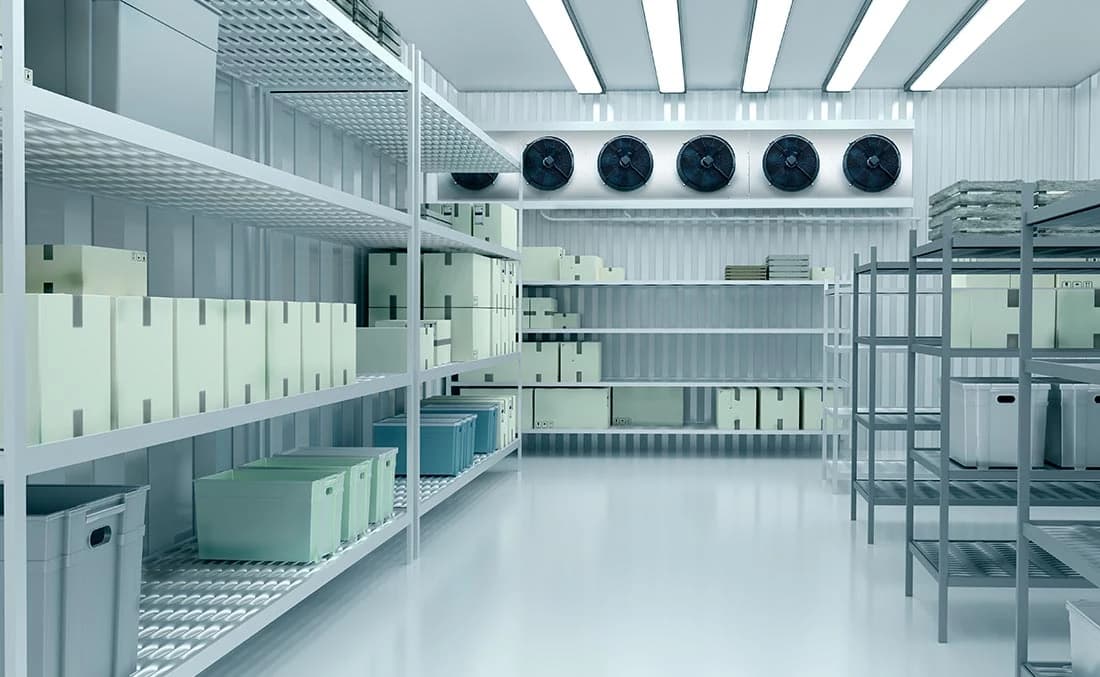
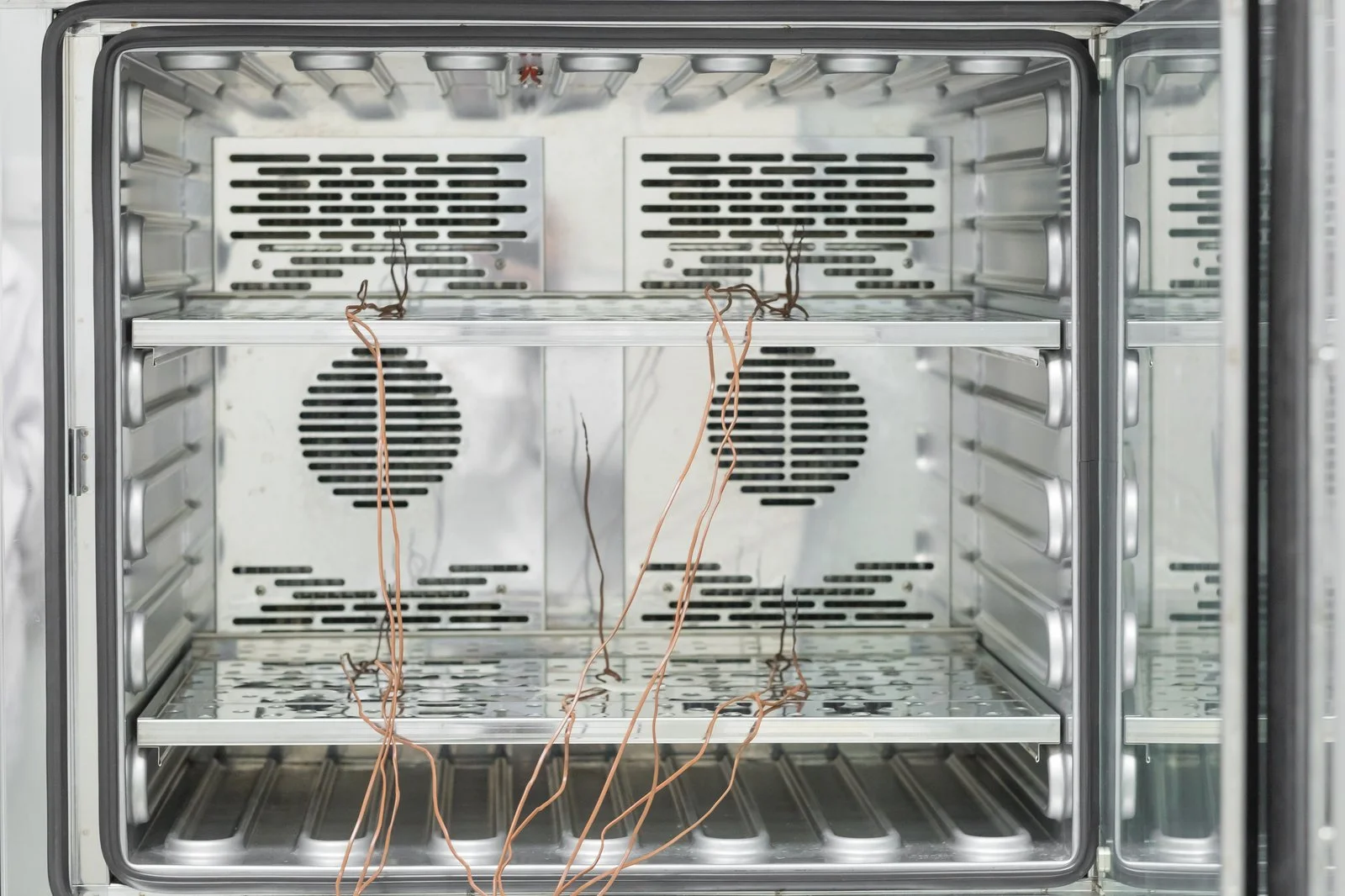
Mapping records conditions at multiple locations over time. The results show how temperature is distributed and where warmer, cooler, or less consistent areas appear.
Validation considers that evidence against agreed requirements for the intended use. Defining the study scope together keeps the findings relevant to your products, equipment, and daily operations.
Understand variation
Compare locations and operating conditions to understand where temperature differences occur.
Inform storage decisions
Use the findings when reviewing product placement, airflow, and the use of available space.
Support ongoing monitoring
Identify locations that deserve closer attention when planning everyday environmental monitoring.
Where we can help
Different spaces. The same need for clarity.
The study reflects the environment being assessed, from a fixed storage area to the conditions experienced during a transport journey.
Warehouses & cold rooms
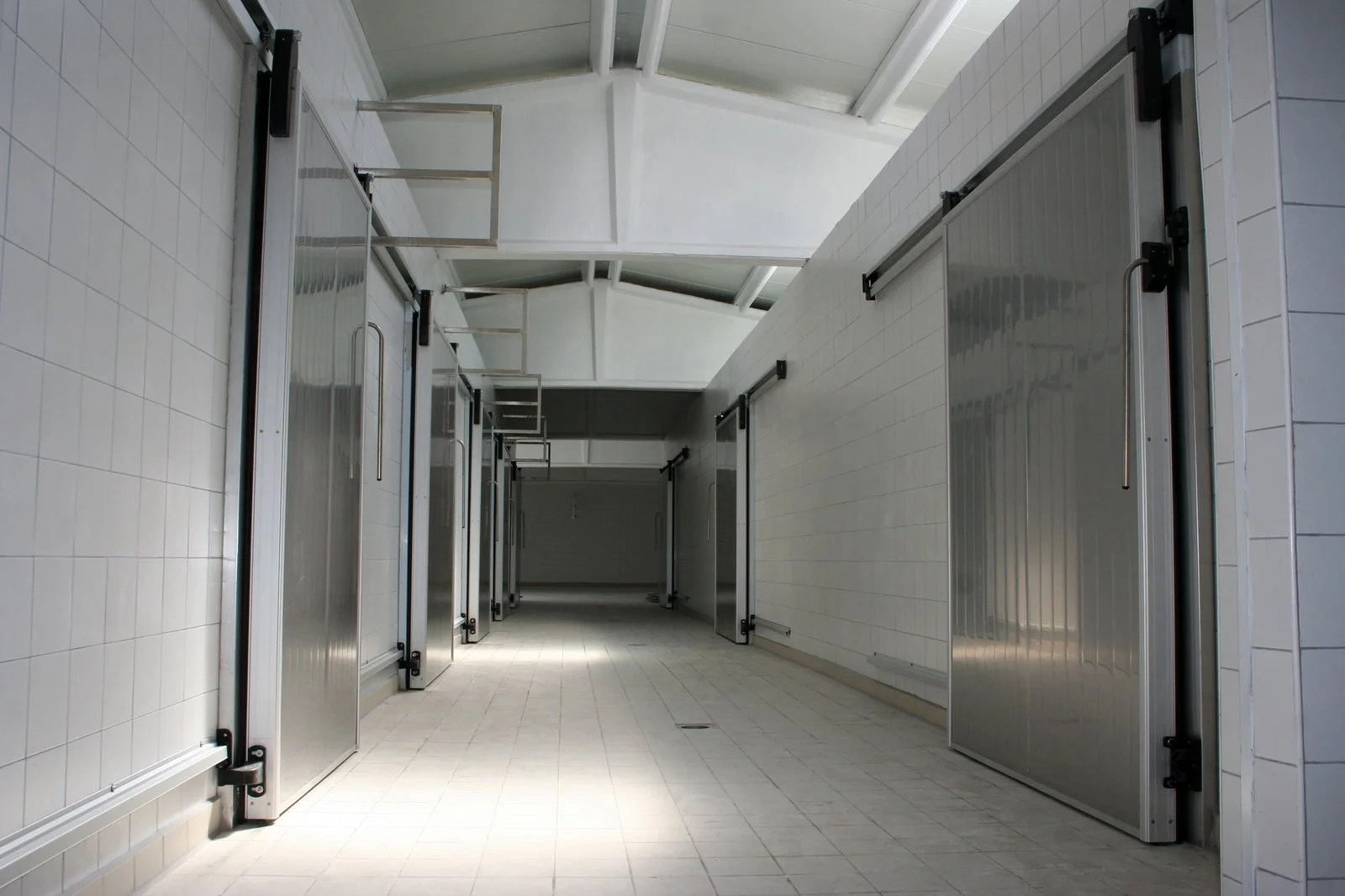
Review conditions across racks, aisles, and storage zones. Mapping helps teams understand the influence of room layout, cooling equipment, and routine access on the environment used for sensitive stock.
Controlled storage
Assess refrigerators, freezers, and other defined storage spaces used by pharmaceutical, healthcare, and food operations. Findings help connect equipment performance with the way the space is actually used.

Refrigerated transport
Understand conditions within refrigerated vehicles and containers. The agreed assessment can consider the journey, loading arrangement, and handling activities that shape the product environment in transit.
Our approach
A study shaped around your operation.
Clear preparation connects the measurements to a useful business question. The team agrees the scope and operating conditions before the study begins.
Understand the requirement
Review the space, products, required conditions, and reason for the assessment. Share layouts, equipment details, and relevant operating procedures to establish the study objectives.
Plan the assessment
Agree the locations to assess and the operating scenarios to observe. Consider access, loading, and routine activities so the plan reflects the environment being evaluated.
Record & review
Position data loggers across the agreed locations and collect readings during the study. Review the data for temperature patterns, variation, and areas requiring further attention.
Explain the findings
Bring the observations together in a clear report. Discuss what the results mean for the assessed space and identify practical follow-up actions with your team.

Beyond the measurements
Findings your team can work with.
The report provides a shared reference for the people responsible for storage, facilities, and quality. It connects the study conditions with the results, making it easier to review concerns and decide what needs attention.
Depending on the agreed scope, findings can inform changes to storage arrangements, equipment checks, monitoring locations, or a further assessment after improvements.
- A record of the assessed areas and study conditions
- An overview of temperature patterns and identified variations
- Findings considered against the agreed study requirements
- Recommendations for review and follow-up
A few useful answers
Your questions. Answered.
A few useful things to know before discussing your requirements with our team.
Does mapping replace everyday temperature monitoring?
They serve different purposes. A mapping study examines variation across a space during a defined assessment. Routine monitoring tracks conditions during day-to-day operations. Mapping findings can help inform where monitoring devices are positioned.
What should we prepare before discussing a study?
Share the facility or vehicle layout, product storage requirements, equipment details, and typical loading and access patterns. Existing monitoring records and any areas of concern also help the team understand your priorities.
When might an existing study need to be reviewed?
Changes to the layout, cooling equipment, storage use, or operating patterns can affect conditions. Review these changes with the team to decide whether the earlier findings still represent the environment and whether another assessment is appropriate.