How temperature mapping identifies risk zones and supports reliable storage conditions.
Reliable cold chain operations depend on understanding what happens throughout a storage or transport space. In the UAE’s demanding climate, thermal mapping helps businesses see how temperature conditions vary, identify areas of concern, and make informed decisions about the environments used for temperature-sensitive products.
What is thermal mapping?
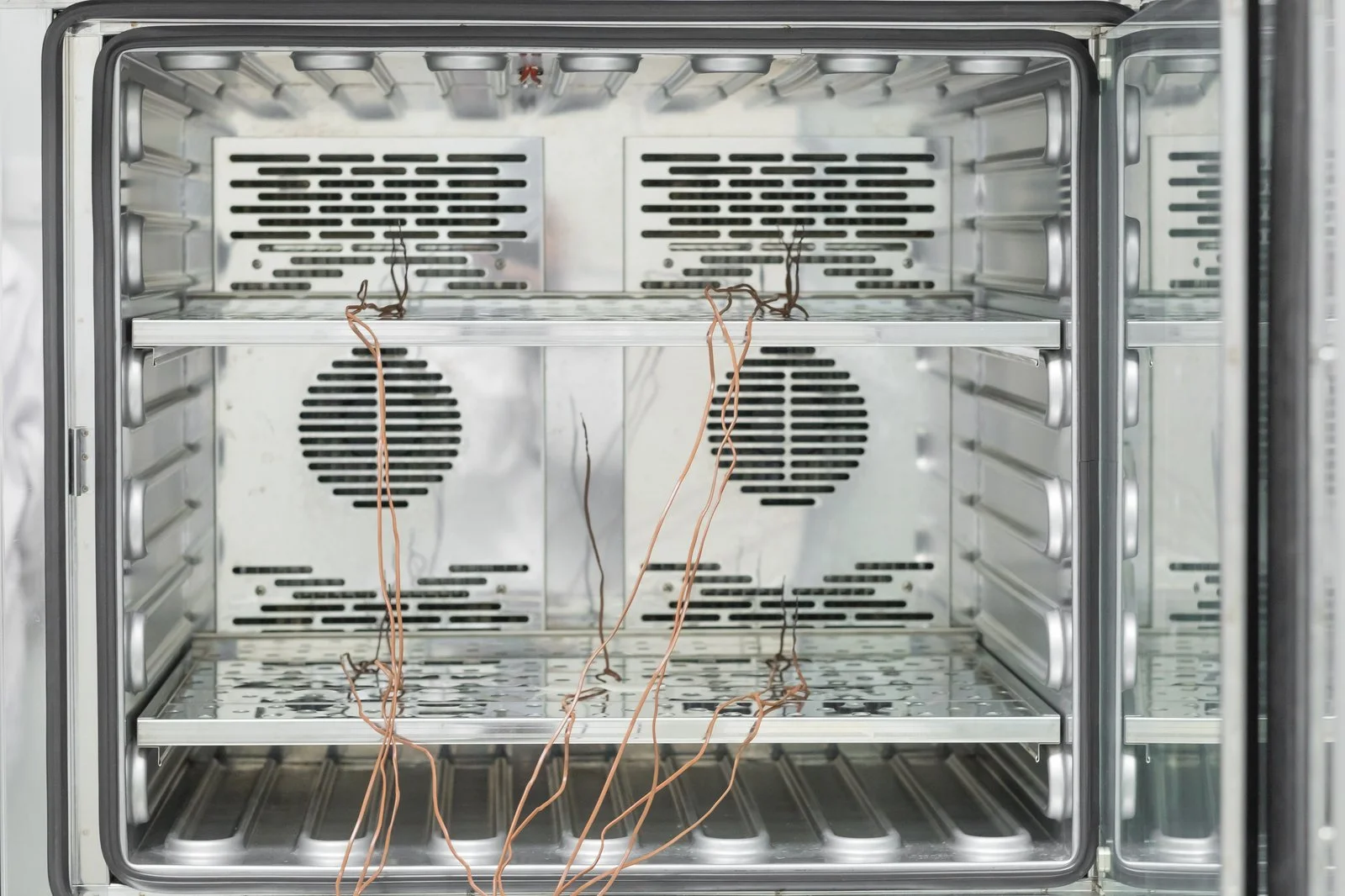
Thermal mapping, also called temperature mapping, records conditions at multiple points within a defined space over time. Temperature and humidity sensors are positioned to build a picture of the environment across a warehouse, cold room, storage area, or refrigerated vehicle.
The collected readings help identify hot spots, cold spots, and zones where conditions may fall outside the range required by the products being stored or transported. This gives operators more useful information than a reading from a single location.
Why mapping matters for your cold chain
Pharmaceutical, healthcare, and food operations rely on consistent storage conditions to help maintain product quality. Mapping makes temperature variation visible, supporting a clearer understanding of the risks within a facility or vehicle.
By identifying areas with uneven temperature distribution, a study can highlight storage inefficiencies and help teams decide where operational or equipment improvements may be needed.
A study built around your space
A useful thermal mapping study reflects the layout of the facility and the needs of the products it handles. Celsius Cold Chain provides mapping services for storage and transport environments across the UAE and GCC, with an approach tailored to the space being assessed.
- Place sensors across the defined area to capture variations between locations.
- Use data loggers to record conditions continuously during the study.
- Review the readings to identify temperature extremes and areas of concern.
- Document findings in a report that supports informed operational decisions.
Turning temperature data into action
The value of mapping extends beyond collecting readings. A clear report connects the data to the storage environment, helping teams understand where temperature-controlled zones perform consistently and where further attention is needed.
These findings can support internal reviews, documentation, and efforts to improve equipment performance. They also provide a shared reference for teams responsible for the day-to-day reliability of the cold chain.
Key takeaway
Thermal mapping provides the evidence needed to understand your storage and transport conditions. With clear data and practical findings, your team can take the next step towards a more reliable cold chain.